
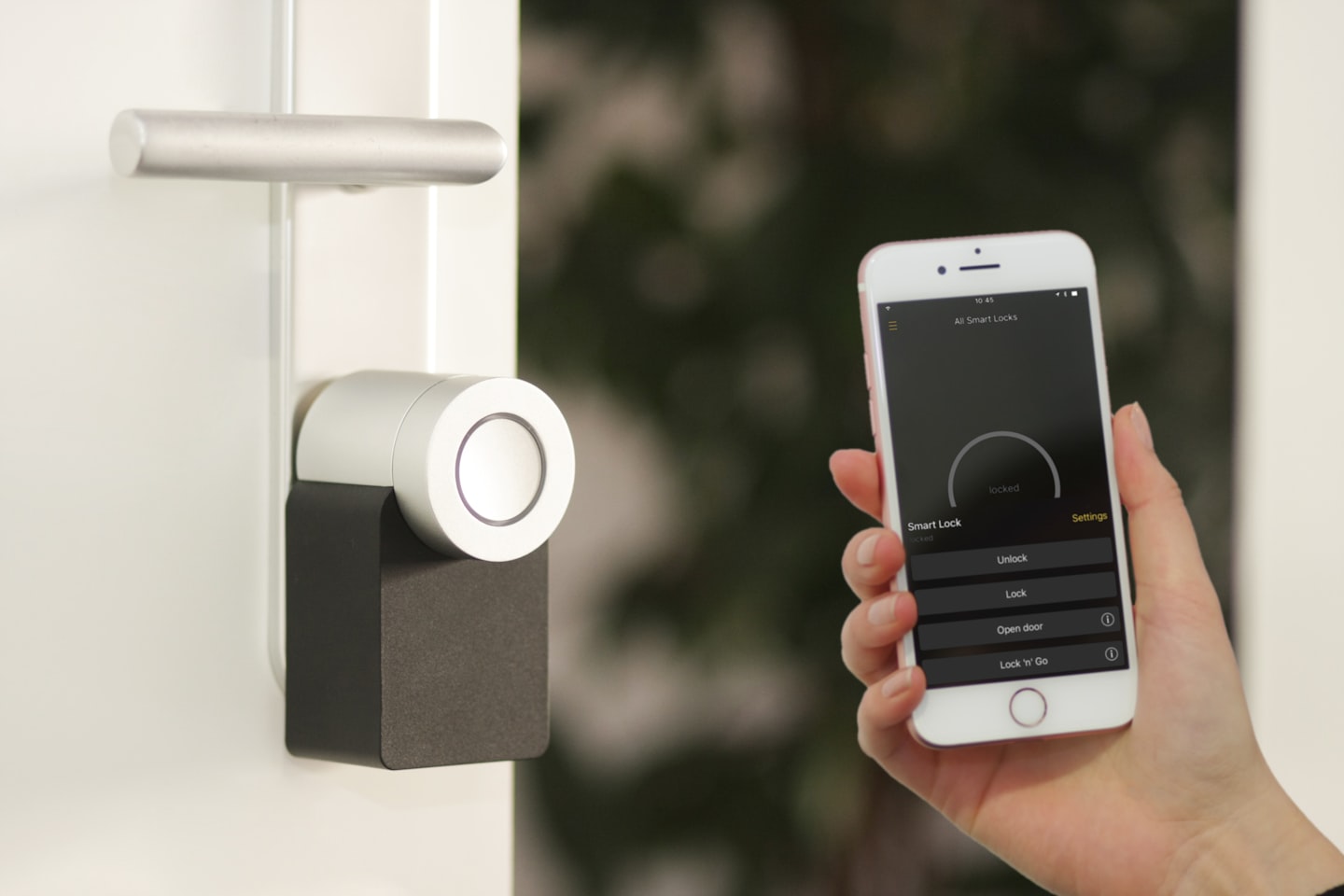
The Home Assistant Green is the hardware Nabu Casa points new users to first: a small box that arrives with Home Assistant already installed, ready to run in about fifteen minutes. The one thing that has changed the most about it in 2026 is the price. The Green launched as a $99 device and is now $199, after two increases this year.
This is the straight answer on what Home Assistant Green costs in 2026, how it got here, what you actually get for the money, and whether it is still the right buy.
The short answer: what Home Assistant Green costs in 2026
| Region | Suggested price (2026) |
|---|---|
| United States | $199 |
| European Union | €179 |
| Other regions | Varies by reseller and local taxes; roughly the €179 equivalent |
That is the suggested retail price for the complete device: the Green itself, a power supply, an ethernet cable, and Home Assistant Operating System pre-installed. There is no subscription required to use it. Optional cloud features (remote access and cloud voice assistants) are a separate Home Assistant Cloud subscription, but the hardware and core software work fully without it.
How the price got to $199: a $99 hub that doubled
When Home Assistant Green launched in late 2023, it was a $99 device, deliberately priced to be the cheapest possible on-ramp to Home Assistant. That is no longer the story.
Nabu Casa raised the price twice during 2026:
- First increase (early 2026): $99 to $159 (€139).
- Second increase (spring 2026): $159 to the current $199 (€179).
The company's stated reason both times was rising component costs. Home Assistant is open-source and free, and Nabu Casa funds its development largely through hardware sales and Home Assistant Cloud subscriptions. When the parts inside the Green got more expensive, the choice was to raise the price rather than sell at a loss or cut the funding that keeps the software moving. Notably, the official explanation points to component and market costs rather than tariffs.
Whether that doubling bothers you depends on your reference point. Against the original $99, it feels steep. Against a comparable DIY build or the competition, $199 for a finished, supported, low-power appliance with the software pre-installed is still reasonable.
What you get for $199
In the box: the Home Assistant Green, a power adapter, and an ethernet cable. Home Assistant OS is already flashed, so setup is plug in ethernet, plug in power, open a browser, and go. The hardware specifications:
| Spec | Home Assistant Green |
|---|---|
| Processor | Rockchip RK3566, quad-core Cortex-A55 @ 1.8 GHz |
| Memory | 4 GB LPDDR4X |
| Storage | 32 GB eMMC (fixed) |
| Network | Gigabit ethernet |
| USB | 2x USB 2.0 Type-A |
| Zigbee/Thread/Matter radio | None built in (USB coordinator required) |
| Idle power draw | ~1.7 W (under $5/year in electricity) |
The one line in that table worth planning around is the radio. The Green has no built-in Zigbee, Thread, or Matter radio. If your smart home runs on Zigbee sensors, plugs, and switches (most do), you add a USB coordinator: a value pick like the Sonoff ZBDongle-E runs about $20, or the official Home Assistant Connect ZBT-2 is $40 to $55. That makes the realistic all-in cost roughly $220 to $255 for a Zigbee-based setup. Our Best Zigbee Devices for Home Assistant guide covers what to pair with it.
Is the Home Assistant Green worth $199 in 2026?
For most people, yes. The Green does one thing extremely well: it removes every hardware decision and gets you to a running Home Assistant in minutes. For a household with 50 to 200 devices, it has more than enough performance, and its power draw is negligible. If you value your time over saving $40, buy the Green and move on.
Two situations change the math:
- You enjoy tinkering or want to save money. A Raspberry Pi 5 with an SSD and a USB Zigbee coordinator typically lands at $150 to $200 all-in, does everything the Green does, and can host other services alongside Home Assistant. It just asks for more setup time. Our Home Assistant server hardware guide walks through that build.
- You want PoE power and an integrated radio in one box. That is the Home Assistant Yellow's pitch, though Nabu Casa has deprioritized it for new buyers and it now sells as a kit only, typically $249 or more once you add a Compute Module 4. The full trade-off is in our Home Assistant Green vs Yellow comparison.
Where to buy it
Buy from a first-party or reputable source to avoid counterfeits and gray-market pricing:
- The official Home Assistant Store (via home-assistant.io) is the reference price and the safest source, with EU pricing at €179.
- Amazon carries the Green in the US. Confirm the listing is sold by an official distributor rather than a third-party reseller marking it up.
- Regional resellers such as Ameridroid (US) and various EU electronics shops stock it, sometimes with faster shipping than the official store depending on where you are.
Prices below the $199 / €179 suggested price are rare for a new unit. If you see one dramatically cheaper, verify it is new, complete, and from a legitimate seller before buying.
What to do next
If the Green is your pick, our Home Assistant Green setup guide covers the unbox-to-running walkthrough. Once it is online, the Best Home Assistant Integrations in 2026 guide covers the add-ons worth installing first. And if you are still weighing the Green against a DIY build or the Yellow, start with the Green vs Yellow comparison.
Frequently asked questions
How much does Home Assistant Green cost in 2026?
Home Assistant Green has a suggested retail price of $199 in the US and €179 in the EU as of 2026. That is up from its $99 launch price in 2023, following two price increases during 2026 that Nabu Casa attributes to rising component costs.
Why did the Home Assistant Green price go up?
Nabu Casa raised the price twice in 2026, first to $159 and then to $199, citing rising component costs. Hardware sales fund open-source Home Assistant development, so the company priced the device to keep that funding sustainable. The official explanation cites component and market costs, not tariffs.
Is Home Assistant Green worth $199 in 2026?
For most people who want Home Assistant running quickly without assembling hardware, yes. It ships with Home Assistant OS pre-installed, a power supply, and an ethernet cable, and handles a typical home of 50 to 200 devices. If you enjoy tinkering or are budget-conscious, a Raspberry Pi 5 with an SSD can do the same job for $150 to $200 all-in, with more setup work.
Does Home Assistant Green include a Zigbee radio?
No. Unlike Home Assistant Yellow, the Green has no built-in Zigbee, Thread, or Matter radio. To use Zigbee devices you add a USB coordinator such as the Home Assistant Connect ZBT-1 (about $30). Budget for that if your smart home relies on Zigbee sensors and switches.
How much does Home Assistant Green cost to run?
Very little. The Green draws about 1.7 watts at idle, which works out to under $5 per year in electricity at typical US rates. Running costs are not a meaningful factor in the buying decision.